
Frontend Development Services
Build fast, responsive, and user-friendly interfaces with our expert frontend development team. We specialize in React, Vue.js, and modern JavaScript frameworks to create web applications that users love and businesses rely on.
Stop losing customers to slow, outdated interfaces. Get expert frontend development with proven track record in modern web technologies.
Signs your frontend needs modernization
Your web application's frontend is the first impression users get. Here are clear indicators that your frontend development needs attention:
Modern frontend development doesn't require complete rewrite. Our incremental approach delivers visible improvements within weeks while maintaining business continuity.

Why modern frontend development matters for your business
Frontend development is the first thing users see and interact with. A well-built frontend directly impacts your bottom line.
Better user experience = higher revenue
Modern frontend web development focuses on creating interfaces that are:
- Fast to load - users abandon sites that take longer than 3 seconds.
- Intuitive to use - reduce friction in user journeys, increase completion rates.
- Mobile-first - 60%+ of traffic comes from mobile devices.
- Accessible - reach wider audience, improve SEO rankings.
- Scalable - easy to add features without breaking existing functionality.
Technology matters
Using modern frontend frameworks like React, Vue.js, or Angular enables component-based architecture, better performance, easier maintenance, and rich interactions without page reloads.
Our frontend development approach
We don't believe in risky "big bang" rewrites. When modernizing existing applications with legacy frontends, our frontend development services focus on incremental improvements that deliver value quickly while maintaining business continuity.
Strangler-fig pattern: gradual modernization of existing applications
Replace old frontend components piece by piece:
- Parallel operation - old and new code run side-by-side, zero downtime.
- Prioritized rollout - start with high-impact, low-risk areas.
- Gradual improvement - users see improvements continuously.
- Safe rollback - easy to revert if something goes wrong.
- Lower risk - no all-or-nothing gamble on complete rewrite.
Mobile-first, performance-first
Every frontend development project starts with performance audit, mobile user experience analysis, Core Web Vitals optimization, and responsive design from the ground up.
Technologies we use for frontend development
We choose technologies based on your project needs, not trends.
Frontend development process: from assessment to deployment
Our proven frontend development process ensures transparency, quality, and business continuity.
Flexible collaboration models
Why choose Droptica for frontend development
When selecting a frontend development partner, experience, technical expertise, and proven delivery matter.
Discover how we deliver products
See a concrete example of our frontend work.
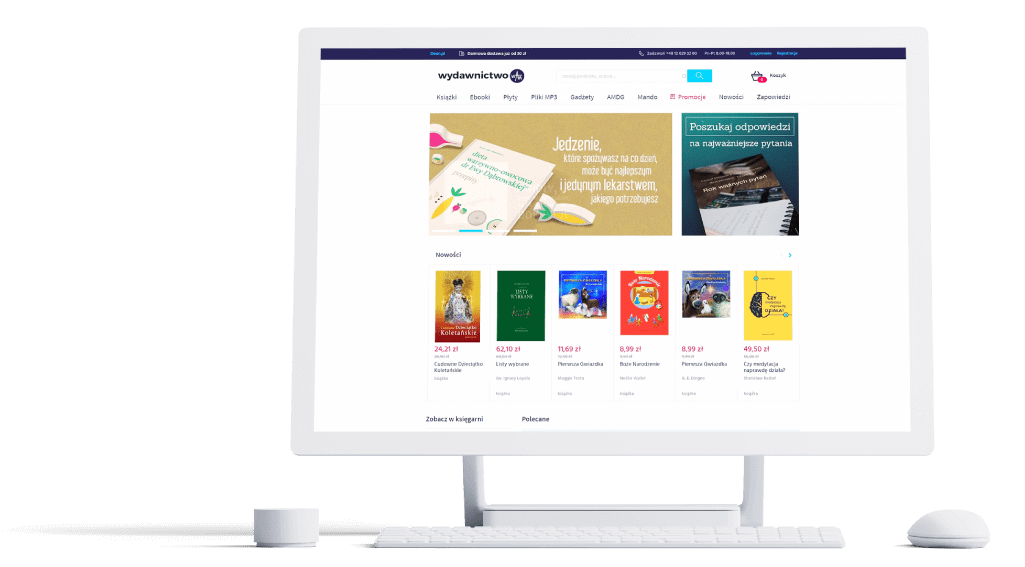
Wydawnictwo WAM - the biggest Catholic publishing house in Poland
The client came to us with a working Drupal-based e-commerce platform. We were tasked with improving the mobile version of the website. Thanks to the work of our graphic designer and our team of developers, sales from mobile devices increased by as much as 50%! Our work has translated into a visible financial benefit for our client.
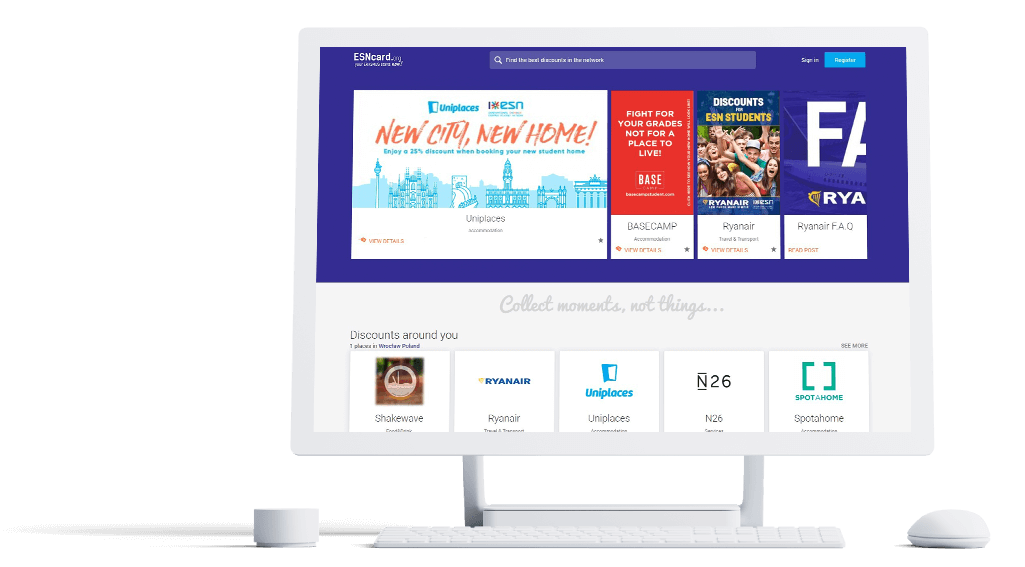
ESNcard.org
The ESNcard.org portal is the heart of the ESNcard system. It allows students to manage the base of discounts and promo codes used by international students throughout Europe.
Why choose our team for frontend development?
Can you share any information that demonstrates the impact that this project has had on your business? -After launching their mobile improvements, we had a 50% growth in revenue.
How was project management arranged and how effective was it? -Droptica communicates effectively and uses Slack every day to deal with small issues. We use Google Hangouts for weekly meetings. We also use an agile development approach, which allows us to quickly build and test different versions of the app.
What did you find most impressive about this company? -They are flexible to our ideas, suggested solutions, and internal business requirements.
Read our blog posts about frontend development
See what we write about frontend development on our blog





Frequently Asked Questions (FAQ)
Frontend development costs vary based on project complexity and scope. Our projects typically range from small improvements (1-2 months) to complete modernization (6-12 months). For accurate estimate, we recommend starting with a free 30-minute consultation where we'll review your specific needs.
We work with modern frontend frameworks based on your project requirements.
Most commonly use:
- React / Next.js - for complex single-page applications and e-commerce.
- Vue.js / Nuxt.js - for progressive web apps and gradual migration.
- Angular - for large enterprise applications.
Also experienced with:
- Vanilla JavaScript - when frameworks are overkill.
- TypeScript - for type-safe development.
We'll recommend the best framework based on your current technology stack, team expertise, long-term maintenance needs, and performance requirements.
Yes! Most of our frontend development projects involve only the presentation layer, leaving backend untouched.
Our approach:
- Work with existing APIs (REST, GraphQL, custom).
- Build frontend as separate application.
- No changes to backend required.
- Maintain backward compatibility.
This works well when:
- Your backend has documented APIs.
- Business logic is separate from presentation.
- Backend team can provide API support if needed.
If APIs don't exist, we can work with your backend team to create minimal API layer exposing existing business logic.
Quick improvements (1-3 months): Visual refresh and styling updates, performance optimization, mobile responsiveness fixes. 1-2 frontend developers.
Partial modernization (3-6 months): Key sections modernized, new framework introduced gradually, component library creation. 2-3 frontend developers.
Complete transformation (6-12 months): Full interface overhaul, new architecture and framework, design system creation. 3-5 frontend developers + designer.
We always recommend phased approach to deliver value quickly while managing risk.
Absolutely! We regularly collaborate with client teams.
Team extension model: Our developers join your existing team. Use your processes and tools. Daily communication via Slack/Teams. Participate in your sprint planning.
Joint venture: Work alongside your contractors. Shared project boards. Coordinated releases.
We adapt to your way of working, not force our processes on you.
Requirements changing mid-project is normal. We work in Agile specifically to handle this.
Our flexibility: 2-week sprints allow priority adjustments. Change request process with impact assessment. Transparent communication about timeline/cost implications. Re-prioritization of backlog when needed.
We embrace change because it means we're building the right thing, not just following a plan.
We track both technical and business metrics.
Performance metrics: Core Web Vitals (LCP, FID, CLS), page load time improvements, bundle size reduction.
Business metrics: Conversion rate improvements, mobile conversion specifically, bounce rate reduction, session duration increase.
User experience metrics: Task completion time, user satisfaction scores, support ticket reduction.
We establish baseline measurements before starting, then track continuously to ensure we deliver measurable value.