8 service page examples and useful tips for creating your own page

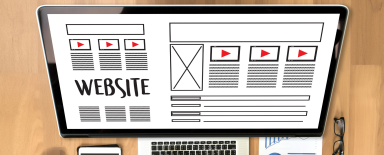
A service page is a focused part of your company website where you present what you sell, guide visitors toward contact or purchase, and collect leads through forms and CTAs. Strong service pages combine clear copy, visual proof, and a visible next step. Weak ones read like brochures and leave visitors unsure what to do next.
This guide walks through the core elements of a service page, the analytics tools that help you improve it, and eight real-world examples—from Medallia and Square to Yuno Energy, a Drupal project we built for an Irish energy supplier. Whether you are redesigning one product page or planning a full set of landing pages, these patterns apply across B2B and B2C sites. For broader site structure, see what the key business website elements are.
In this article:
- What is a service page and why does it matter?
- What elements should your service page include?
- Which tools help you measure service page performance?
- What can you learn from 8 service page examples?
- How do you build service pages in Drupal?
- What should you take away from these service page examples?
- Want to build a service page that converts on Drupal?
What is a service page and why does it matter?
A service page is a part of a company website. As the name suggests, it presents the services or products a brand offers to potential customers. It may live as a subpage on your main site or as a standalone page on another domain.
Because of how they are used in marketing, service pages go by several names: product page, sales page, or landing page—the URL many ad campaigns point to. The label changes; the job does not: explain the offer, show benefits, and move the visitor toward action.
Service pages should not stop at product descriptions. Mention the outcomes the buyer gets, not only features. Combine copy, social proof, and CTAs so visitors can learn, compare, and either buy online or reach your sales team.
What elements should your service page include?
A service page serves both the visitor and your team. The user needs enough detail to decide; your company needs a path to capture interest and data. Below are the building blocks that appear on most high-converting service pages.
Content
Descriptions, headlines, bullet lists, and quotes (for example, customer feedback) carry the core message. Descriptions matter most: they explain what you offer and how it helps the buyer. Other content reinforces that message—testimonials, related blog posts—or drives action through links and buttons. Keep copy readable, accurate, and specific. For conversion-focused copy patterns, see five landing page elements worth using on your website.
Graphics and galleries
Visuals often decide whether someone reads the text. Use product photos where relevant. For software or subscriptions, screenshots that show how the tool works or charts that back up results work well. Infographics can summarize benefits at a glance. If you are rebuilding visuals as part of a page redesign, our UX/UI design services cover layout, components, and handoff to development.
Forms
Forms let you collect data from interested visitors and open a direct conversation. Ask only for fields you will use; long forms reduce completion rates. For B2B offers, ask about industry or department so you can route the lead. For B2C, interests or use case may be enough. Placement matters as much as fields—the form can sit inline, in a sidebar, in a popup, or on a separate page linked from a CTA. Read our guide on where to put a form on a landing page for placement trade-offs.
CTA buttons
A CTA (call to action) is a button or link with a short label that stands out by size, color, or position. Place it in the hero, mid-page sections, or footer. Its job is to prompt one clear action—start a trial, book a demo, or open a contact form. One primary CTA per screen area usually converts better than competing buttons.
Animations and interactive elements
Interactive elements enable two-way exchange: forms, expandable sections, or feedback controls. Animations—carousels, sliders, scroll-triggered reveals—add motion without replacing substance. Use them to reveal detail on demand (tabs, accordions, hover states) so the page stays scannable while still offering depth.
Which tools help you measure service page performance?
Before you redesign a service page, decide what success looks like and how you will measure it: traffic sources, form submissions, trial sign-ups, or time on page. Common tools include:
- Google Analytics: tracks visits, popular pages, and traffic sources (organic, paid, referral). High bounce rate and short sessions on a service page may mean the message or audience fit is off.
- Google Tag Manager: configures events you care about—thank-you page views, button clicks, scroll depth—without editing code on every change.
- Hotjar: provides heatmaps and session recordings so you can see where users click, hesitate, or abandon a form.
Many other free and paid tools exist; pick metrics tied to business outcomes, not vanity counts alone.
What can you learn from 8 service page examples?
Brands combine these elements differently. Every block on a sales page should inform, motivate, or send the user somewhere useful. The examples below show eight distinct approaches—from minimalist SaaS pages to multi-step signup flows.
1. Medallia
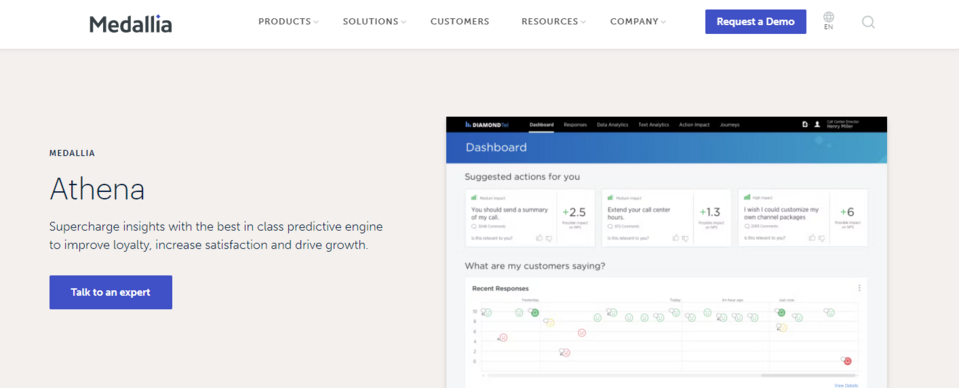
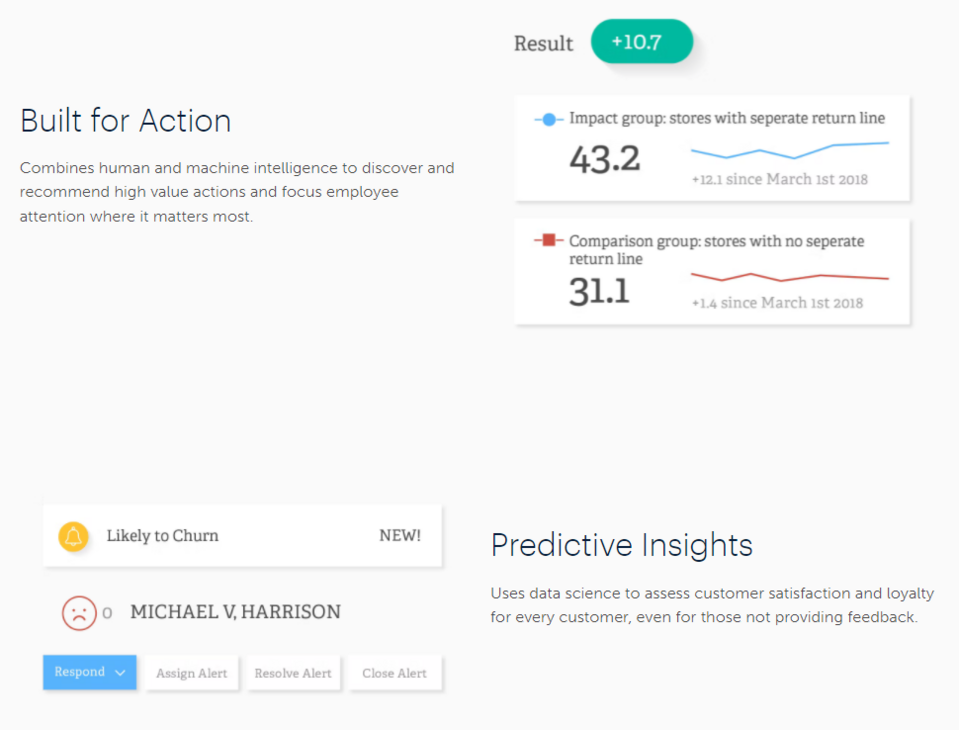
Medallia's product subpages vary in length, CTAs, and blog links, which shows deliberate planning per product. On the Athena page, a talk to an expert CTA sits in the hero and leads to a contact form at the bottom—easy to find when the visitor is ready.
Source: Medallia
Medallia keeps copy short and leans on visuals to explain features. Concise text plus screenshots reinforces the message and supports the decision to request access.
2. Achievers
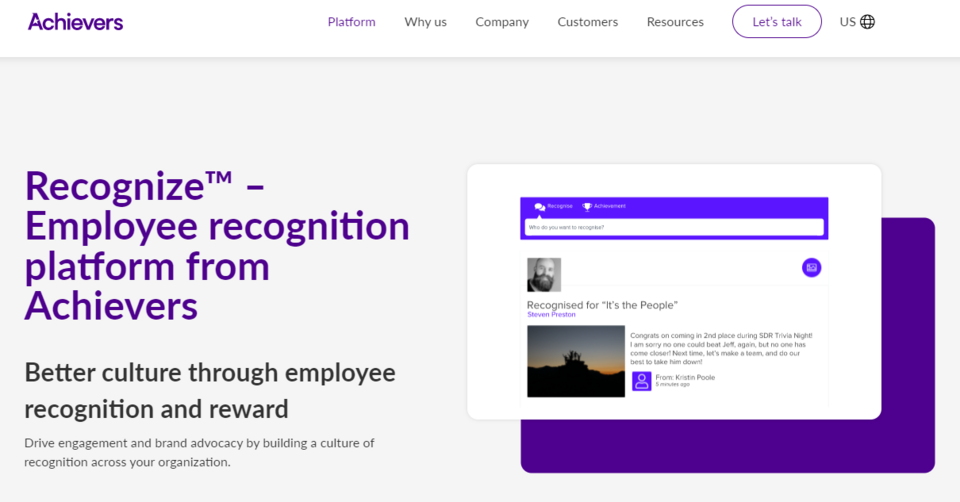
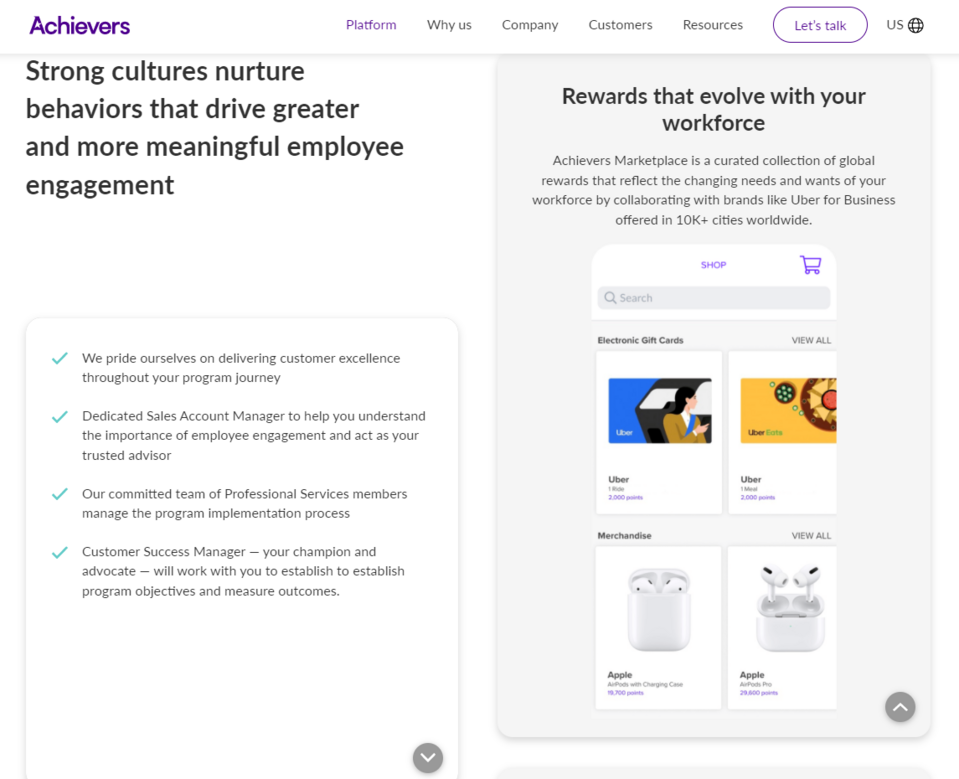
On the Recognize tool page, Achievers uses short headlines and heavy use of product screenshots. Visitors grasp features from visuals without long paragraphs. Integration with other systems is shown explicitly—important for companies running many apps.
Source: Achievers
Interactive tabs and buttons reveal detail on click, which saves vertical space and keeps users exploring. A highlighted demo request button leads to a short form (team size, tool type) so sales can prepare a relevant follow-up.
3. Timely
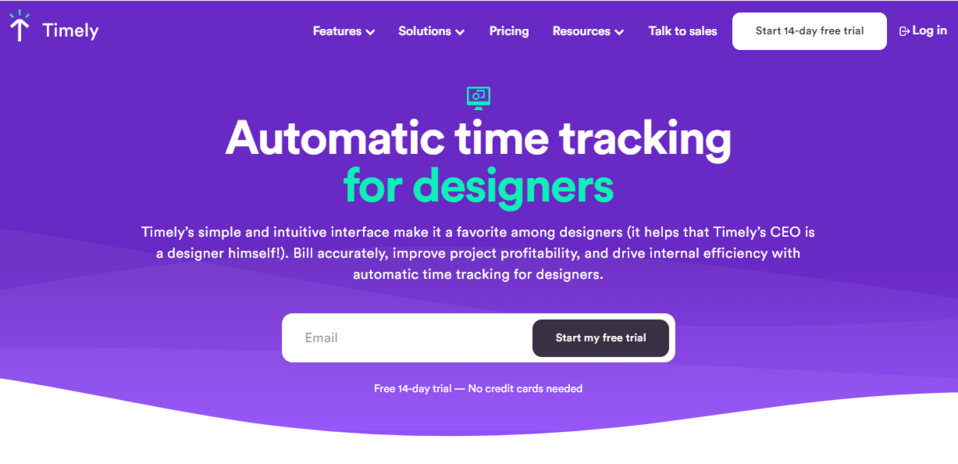
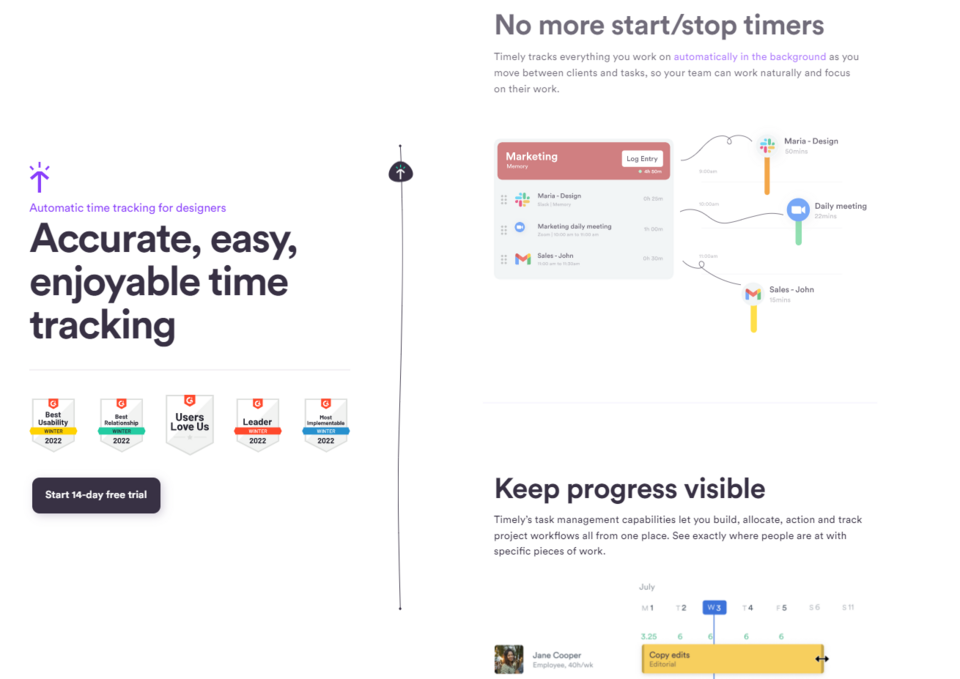
Timely's hero states the product purpose immediately (time tracking). The subcopy notes the team uses the tool internally and offers a free trial, with an email field right below. The primary CTA stays visible in a fixed left column while benefits scroll on the right—constant reminder to start the trial.
Source: Timely
Benefits and social proof (including video testimonials) sit in the scrolling column, pairing explanation with evidence throughout the page.
4. Wistia
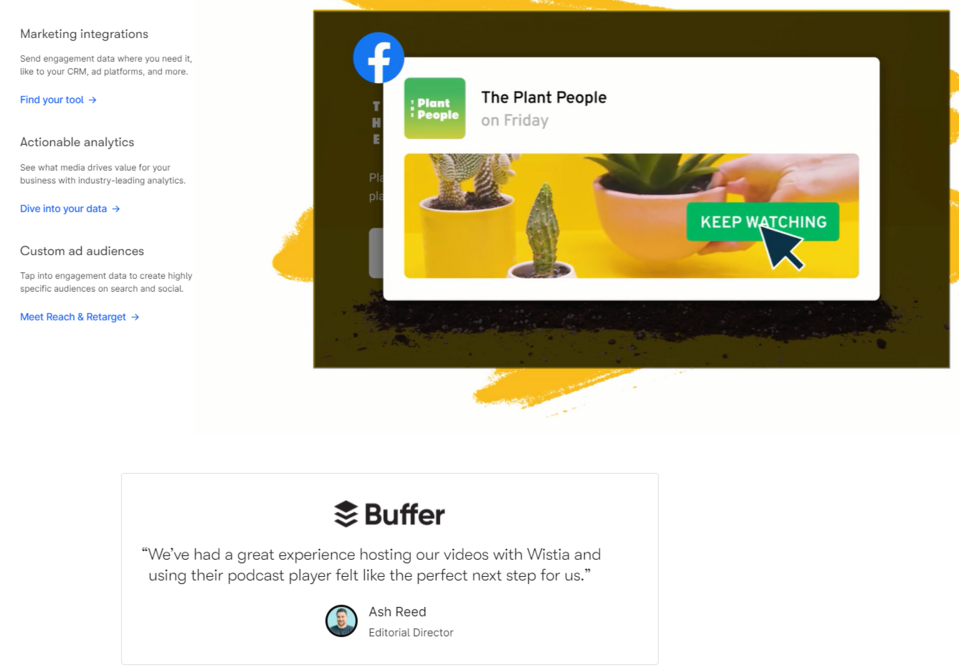
Wistia uses animation to demonstrate video and podcast tools without long feature lists. Multiple CTAs and links let visitors dive deeper into related content while staying on the conversion path.

Source: Wistia
Testimonials appear between functional sections, reinforcing trust as the user moves down the page.
5. PandaDoc
PandaDoc structures pages by use case, industry, or department so each audience sees relevant benefits. The finance-industry hero offers two CTAs: start a trial and request a demo. Small print notes no credit card is required—addressing a common objection early.
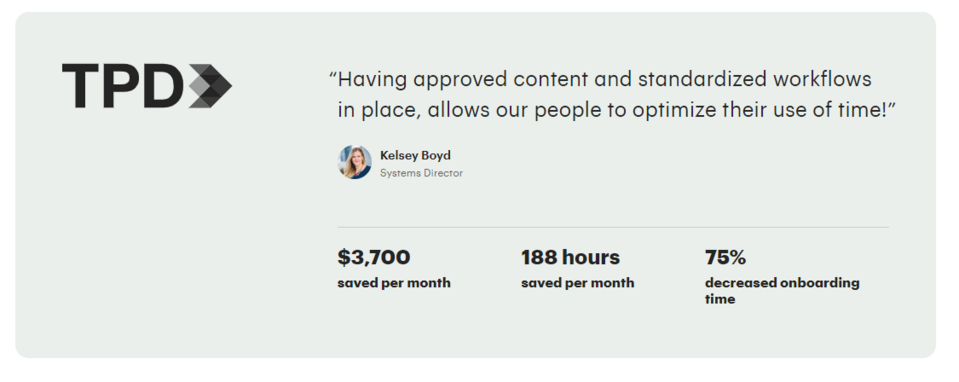
Three summary cards highlight e-signature, templates, and analytics; one expands into more detail on click. Testimonials include quotes plus metrics on productivity gains—a pattern worth copying; see also how to use customer testimonials on a website.
Source: PandaDoc
6. Aanika
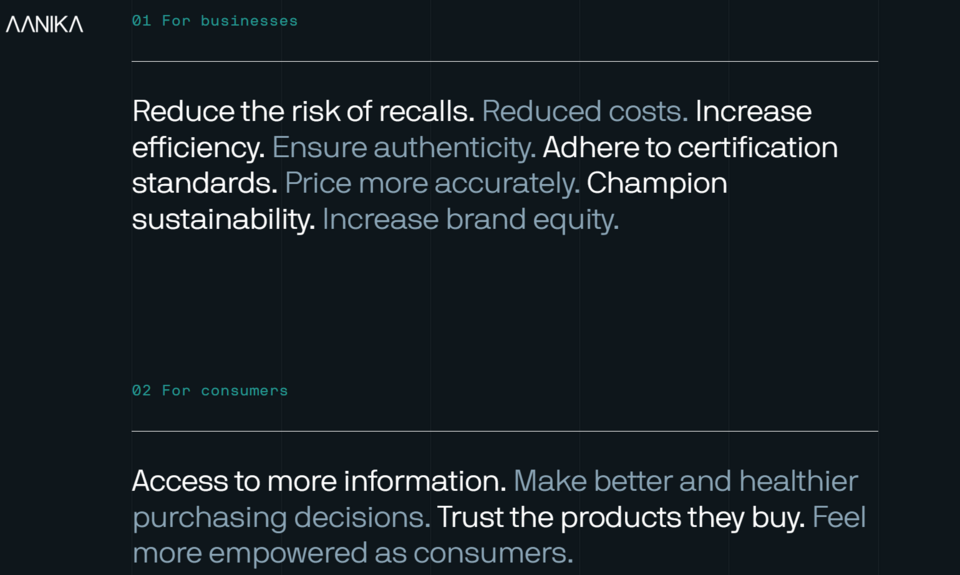
Visual design matches a technical, science-led brand while copy stays plain. Benefits are grouped for the environment, end consumers, and business buyers so different stakeholders see their angle.
Minimal content heightens the chance visitors reach the bottom Get in touch CTA—a deliberate trade-off for lead generation.
Source: Aanika
7. Square
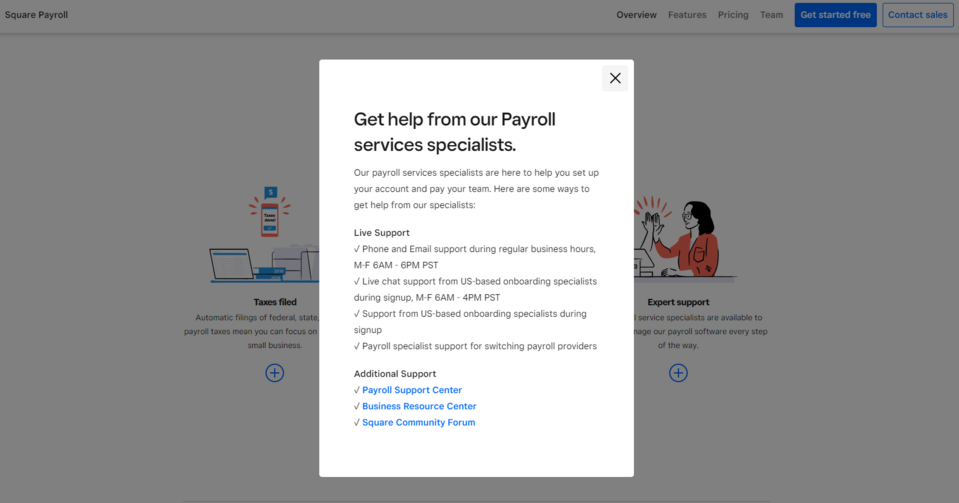
Square's hero pushes a large free-trial CTA plus a smaller Connect with us link to a contact form. Expandable sections under each service description add detail without cluttering the first view. CTAs repeat across sections so intent is never far away.
Source: Square
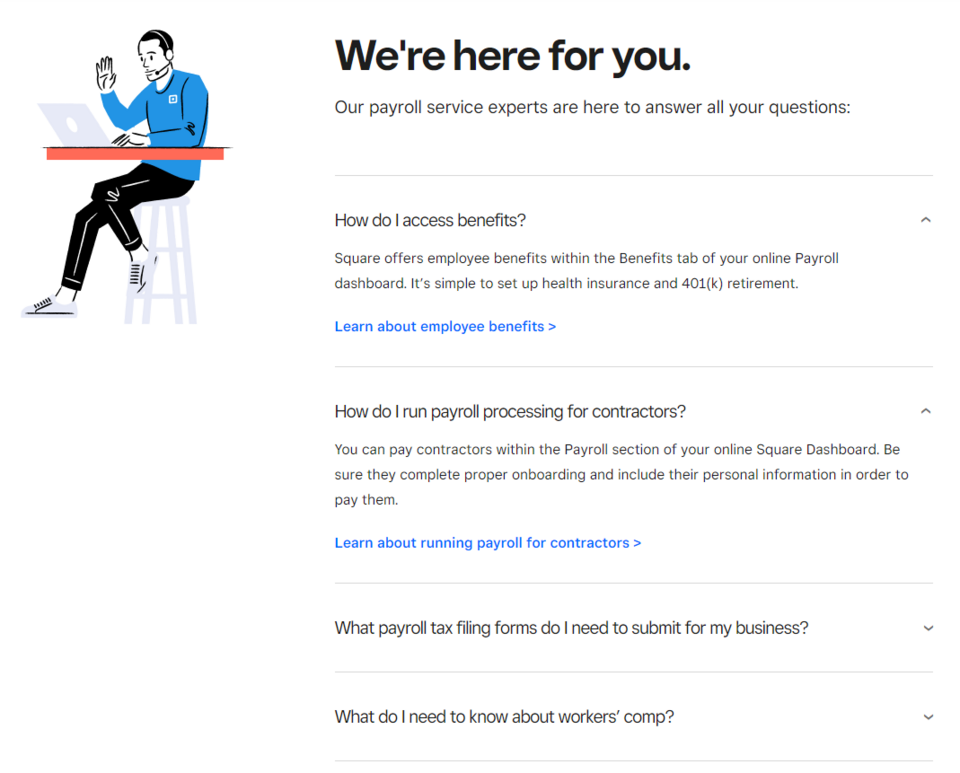
Testimonials and a compact FAQ answer common objections inline; FAQ answers link to deeper docs where needed.
8. Yuno Energy
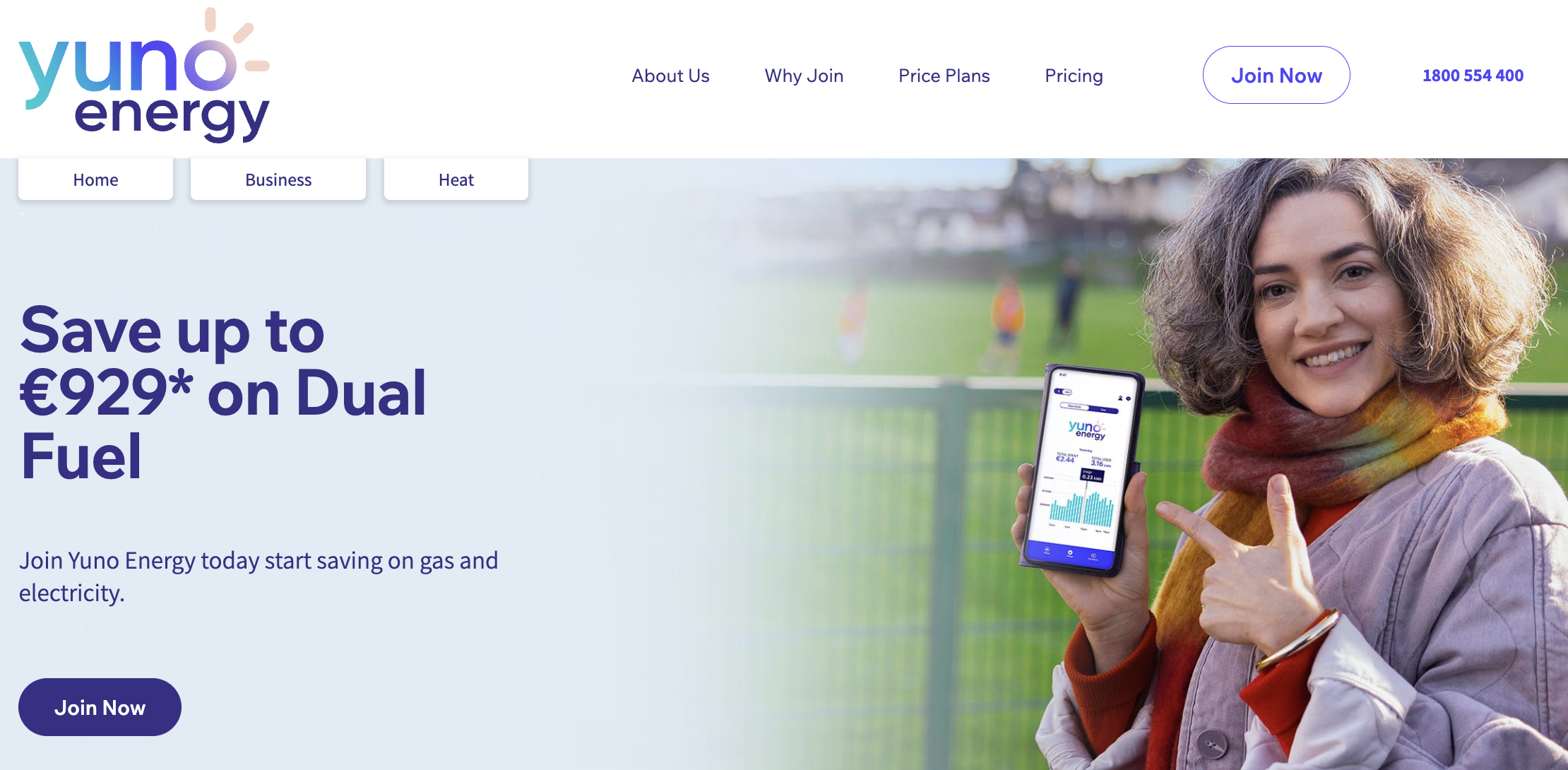
Yuno Energy's website is a strong service page example because it connects service presentation with a clear conversion path. The company sells electricity plans in Ireland, so visitors need to compare options, understand pricing, and complete sign-up without unnecessary back-and-forth.
Source: Yuno
The page does not stop at a generic service description. It guides the user toward action through a multi-step registration form built in Drupal. The form collects the data needed to start the service, adapts to user input, and helps potential customers complete the process online.
This pattern suits service pages where buying requires more than one field and one CTA. Instead of sending users to a long static form, the page breaks the task into smaller steps—easier to use, especially on mobile.
What is worth noticing:
- Explain first, ask later: the service is clear before the user must act.
- Keep pricing near the path: plan information sits close to conversion steps.
- Step the form: multiple short steps beat one long screen.
- Integrate in Drupal: Webform connects to the client's API.
- Reuse components: editors update plan data across pages from shared Drupal components.
Read also: Drupal website with multi-step form for Yuno Energy.
If you are reviewing service pages because internal communication tools feel scattered, look at Open Intranet from Droptica. It is an open source employee portal for news, documents, events, knowledge base, and employee directory. Its product page shows how to explain a complex B2B offer while keeping the next step visible—similar discipline to a well-built external service page.
How do you build service pages in Drupal?
Drupal supports complex service pages: forms, structured content, reusable sections, and multilingual setups. Core includes the Contact module; Webform adds flexible lead capture. Layout tools and contrib modules help with banners, sidebars, and carousels without custom code for every block.
For landing-style pages on Drupal, start with how to create a Drupal landing page—patterns that map directly to service URLs. Droopler, our Drupal distribution for corporate sites, ships ready-made components for responsive service sections and editor-friendly updates. We use it on client projects where marketing teams need to refresh offers without developer tickets for every copy change.
What should you take away from these service page examples?
There are many ways to make a service page stand out. You do not always need long copy—screenshots, stepped forms, and clear CTAs often do more than extra paragraphs. Building a page as polished as these takes UX judgment and iteration backed by analytics.
Read also: interesting FAQ page examples that will inspire you to create your own and interesting contact us page examples from various companies.
Want to build a service page that converts on Drupal?
This article draws on our work for Yuno Energy, where we built a Drupal site with a multi-step Webform signup integrated with the client's API—so visitors complete registration online instead of abandoning a long form. Reusable components let editors keep plan data consistent across pages.
Need a service page or full set of product pages on Drupal? We design and build landing experiences with forms, CTAs, and editor workflows that match how your team publishes. Visit our Drupal development services to discuss your project.